Tapping into Tomorrow: Will Your Foreign Card Unlock Seoul's Transit by 2026?
Seoul, a city where cutting-edge technology meets ancient traditions, offers an incredibly efficient public transport system. However, for international visitors, one common hurdle has always been payment. The current "closed-loop" system often renders foreign credit and debit cards useless for direct tap-and-go travel. But with whispers of "open-loop transit Seoul" gaining momentum, the question on every traveler's mind is: can foreign cards work on public transport in Seoul by 2026?
This blog post delves into the exciting future of Seoul's transit, exploring the shift towards international credit card Seoul subway acceptance, the benefits of tap to pay Seoul transit for tourists, and what you can expect when planning your South Korean adventure in the coming years.
The Current State: A Closed-Loop Labyrinth for Foreign Cards
For years, navigating Seoul's extensive subway and bus networks as a foreigner has meant acquiring a local travel card, predominantly T-Money or Cashbee. While these cards are incredibly convenient once obtained, the initial step of purchasing and loading them can be an unexpected first challenge upon arrival. The reason? Seoul's public transport operates on a closed-loop system.
The Closed-Loop System Explained
A closed-loop payment system is one where the payment instrument (like a T-Money card) is issued and accepted by a specific merchant or network, and usually only for that purpose. It's proprietary. When you tap your T-Money card, it communicates directly with the transit system's fare gates using its own specific technology and protocols. This system is highly efficient for its intended users, but it's fundamentally separate from the global payment networks like Visa or Mastercard.
Why Foreign Cards Face Rejection
The primary reason foreign payment cards often fail on Seoul's public transport is their lack of compatibility with this closed-loop system. International credit card Seoul subway terminals are not configured to process payments directly from Visa, Mastercard, or other global debit/credit networks in the same way they process a T-Money card. This is a technical limitation, not a refusal to accept foreign currency. Your card might work at a convenience store in Seoul, but not at a subway gate. This includes most contactless cards issued abroad, as the EMVCo specifications for transit payments (which major card networks follow) are different from the domestic system's requirements. This challenge underscores the need for "foreign payment Seoul public transport" solutions.
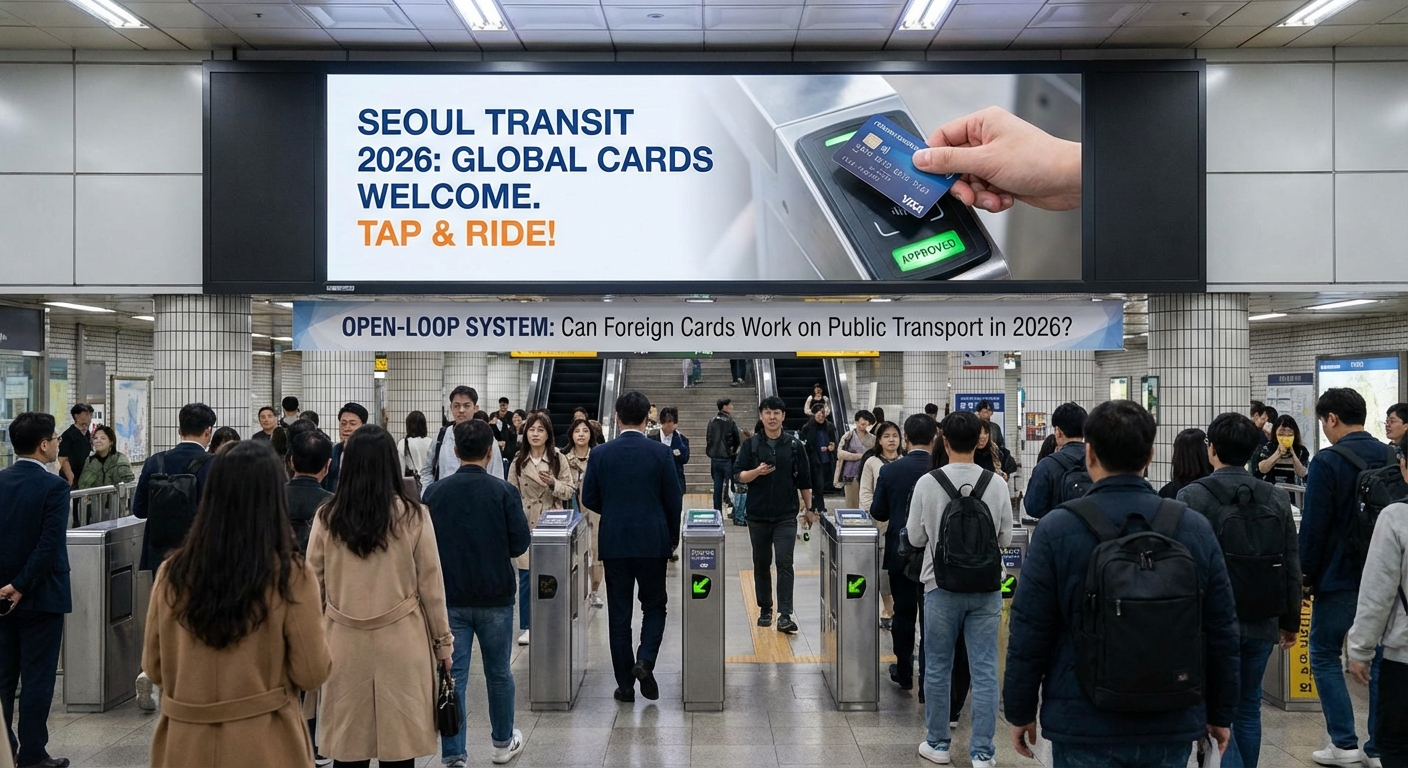
The Promise of Open-Loop Transit: What Changes for 2026?
The concept of open-loop transit promises a significant upgrade in convenience for international travelers. Imagine stepping off your plane, heading to a subway station, and simply tapping your existing foreign credit or debit card – the same one you use at home – to board. This is the vision for Seoul public transport foreign cards 2026.
Open-loop transit refers to the adoption of global payment standards, primarily EMV contactless (Europay, MasterCard, and Visa), for fare collection. This means that instead of relying on a proprietary transit card, the system will directly accept payments from any EMV-compatible contactless bank card, regardless of where it was issued.
Reports from various South Korean media outlets and financial news sources indicate that Seoul Metropolitan Government and affiliated transport operators are actively working towards implementing open-loop payment systems. The target date of 2026 is frequently cited for major improvements, aiming for broader Seoul transit contactless payment acceptance. This initiative is a clear response to the growing demand for "Korean public transport international cards" compatibility.
Visa, Mastercard, and the Future
Major payment networks like Visa and Mastercard have been at the forefront of driving open-loop transit adoption globally. Cities like London, New York, Singapore, and Sydney have already successfully implemented such systems, allowing travelers to use their contactless bank cards for fares. Seoul's move towards 2026 is expected to involve close collaboration with these networks to integrate their payment processing into the existing infrastructure. This will mean greater "Seoul transport foreign card compatibility."
Benefits for International Travelers
The advantages for tourists and foreign residents are immense:
* Seamless Travel: No need to purchase a separate travel card Seoul 2026, load it, or worry about remaining balances.
* Convenience: Use the card already in your wallet.
* Real-time Transactions: Fares are deducted directly from your account, often with real-time currency conversion (though check your bank's foreign transaction fees).
* Reduced Hassle: Eliminates queuing for card purchases and topping up.

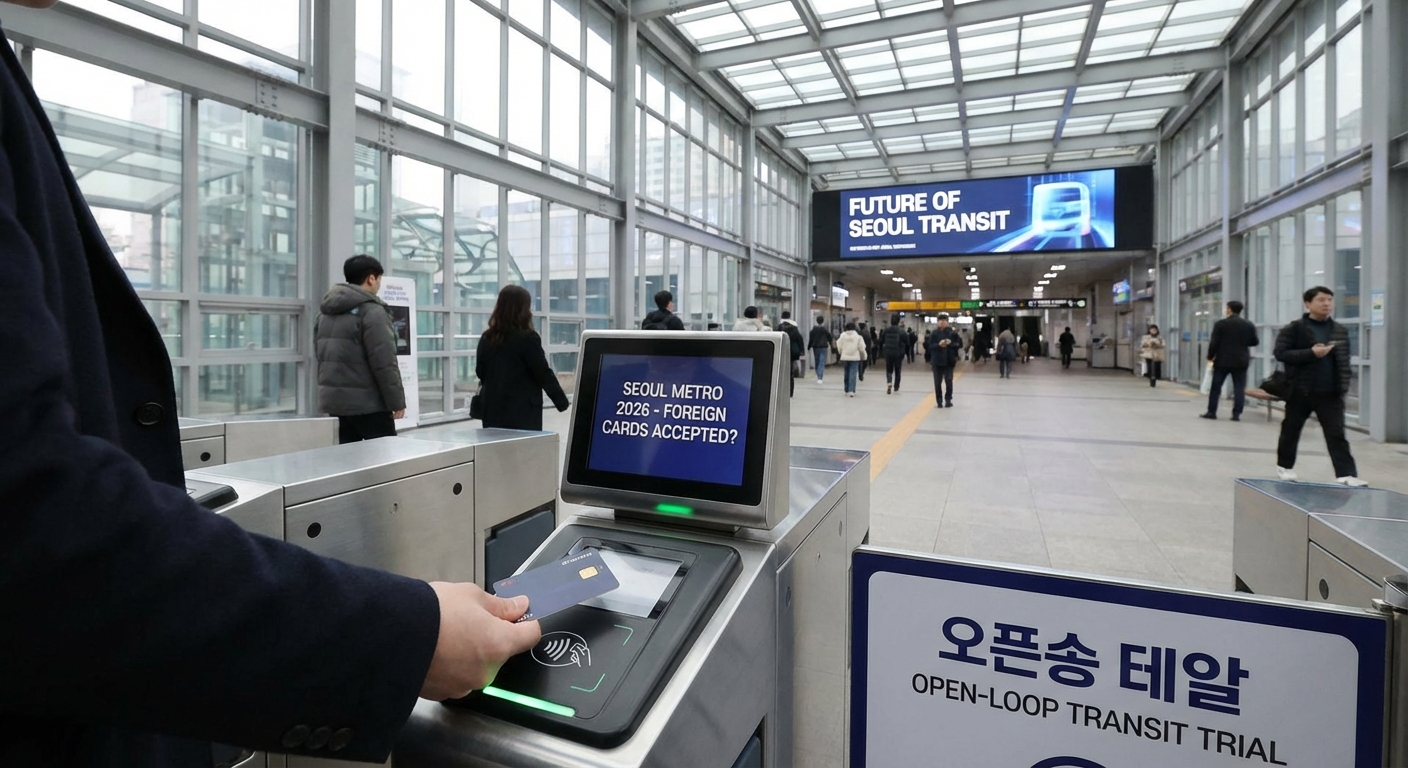
How It Will Likely Work (Anticipated User Experience)
Assuming the 2026 rollout proceeds as planned, the user experience for Seoul's public transport is set to become remarkably straightforward.
Tap and Go: The Simplicity
The process will mirror what's available in many other global cities:
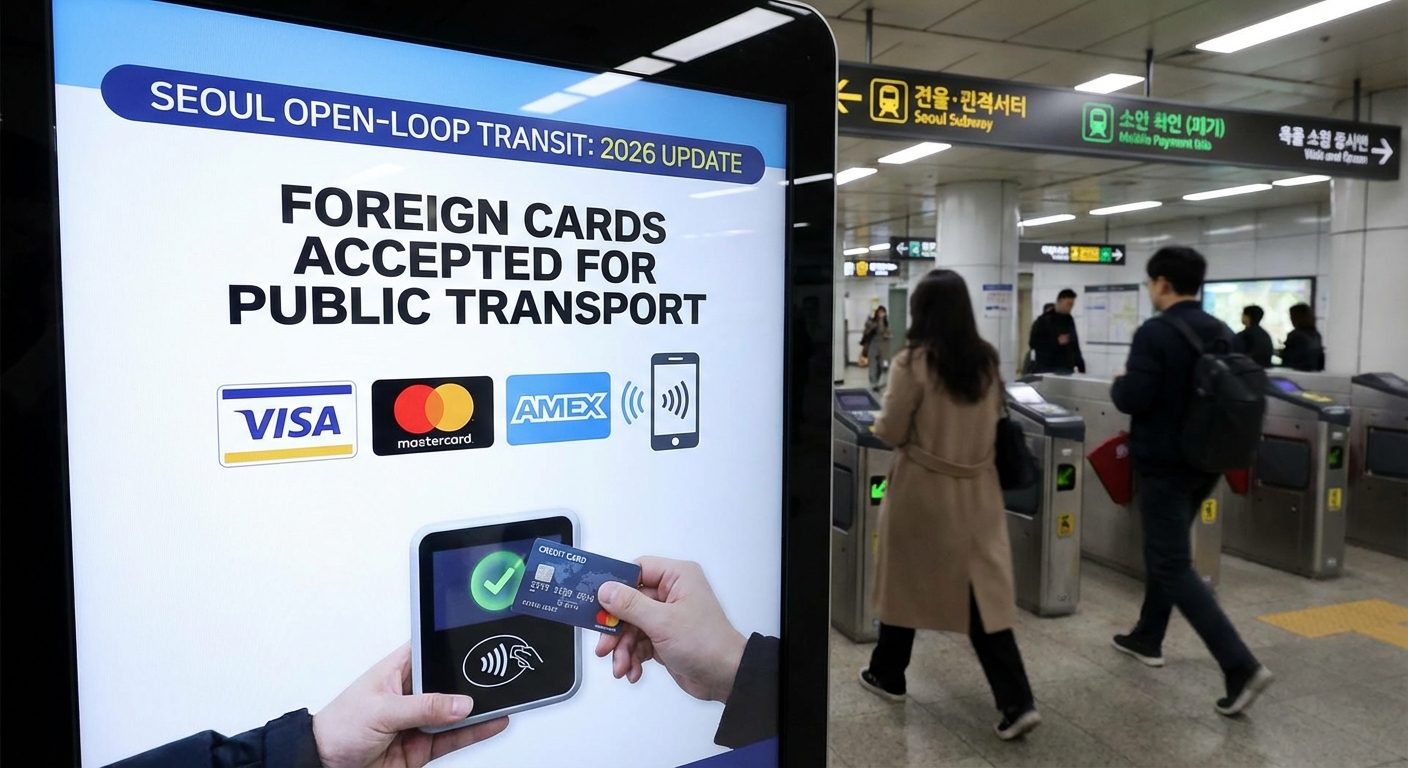
1. Look for the Symbol: Fare gates and bus card readers will display the universal contactless payment symbol (four curved lines) along with logos for accepted card networks (e.g., Visa, Mastercard, American Express).
2. Tap Your Card: Simply tap your contactless-enabled credit or debit card (or your smartphone/smartwatch with the card linked) on the reader.
3. Wait for Confirmation: A green light or confirmation message will indicate a successful transaction, granting you access to the platform or bus.
4. Tap Out (for Subway): Just like with T-Money, you'll tap your *same* card on the exit gate reader to ensure you're charged the correct fare based on distance traveled. For buses, a single tap-on might suffice, or a tap-off might be required for transfer discounts, depending on the final system design.
Important Considerations
While the future looks bright, a few points will likely remain important:
* Contactless Enabled Cards: Ensure your international credit or debit card has the contactless payment symbol. Older, chip-and-PIN only cards may not work directly for transit.
* Foreign Transaction Fees: Your bank may charge a small fee for transactions in a foreign currency. Check with your card issuer beforehand.
* Card Types: It's likely that major credit and debit cards will be accepted. Some prepaid travel cards might also work if they are on the Visa/Mastercard network.
* Fare Caps and Discounts: The system should ideally incorporate fare capping (to prevent overcharging if you make many trips) and transfer discounts, mirroring the benefits of T-Money.
[IMAGE_PLACEER_3]
Beyond Seoul: Implications for Wider Korean Public Transport
While the primary focus of "open-loop transit Seoul" initiatives is often the capital city's subway and bus networks, the momentum for such technology rarely stops there. A successful implementation in Seoul would set a powerful precedent for other major Korean cities and potentially even intercity transport.
It's reasonable to anticipate that if Seoul successfully integrates "Seoul bus foreign card acceptance" and subway compatibility, neighboring Gyeonggi Province, Busan, Daegu, and other metropolitan areas would likely follow suit, albeit perhaps on a different timeline. This could eventually lead to widespread "Korean public transport international cards" acceptance across the nation, making travel much smoother for foreigners throughout South Korea. However, for 2026, the focus will most likely be centered on the Seoul metropolitan area initially.
Practical Tips for 2026 (And Beyond)
Even with the promise of open-loop transit, it's always wise to be prepared. Here are some practical tips for your future visits to Seoul:
1. Always Have a Backup: While we expect "international credit card Seoul subway" to be a reality, technology can have hiccups. Consider still carrying some Korean Won cash or having a T-Money/Cashbee card as a backup, especially in the early stages of the rollout or if venturing to less developed transport hubs.
2. Check Your Card's Contactless Functionality: Before you travel, ensure your primary payment card has the contactless symbol and is activated for international use.
3. Be Aware of Foreign Transaction Fees: Research your bank's policies on international transactions to avoid unexpected charges. Some travel-specific credit cards offer no foreign transaction fees.
4. Keep Your Card Separate: When tapping, make sure to present only the card you intend to use. Holding multiple contactless cards near the reader can cause payment conflicts (known as "card clash").
5. Look for Signage: Always check for clear signage at fare gates and on buses indicating accepted payment methods, including specific card network logos and the contactless symbol. This will confirm "Seoul transit contactless payment" is available.
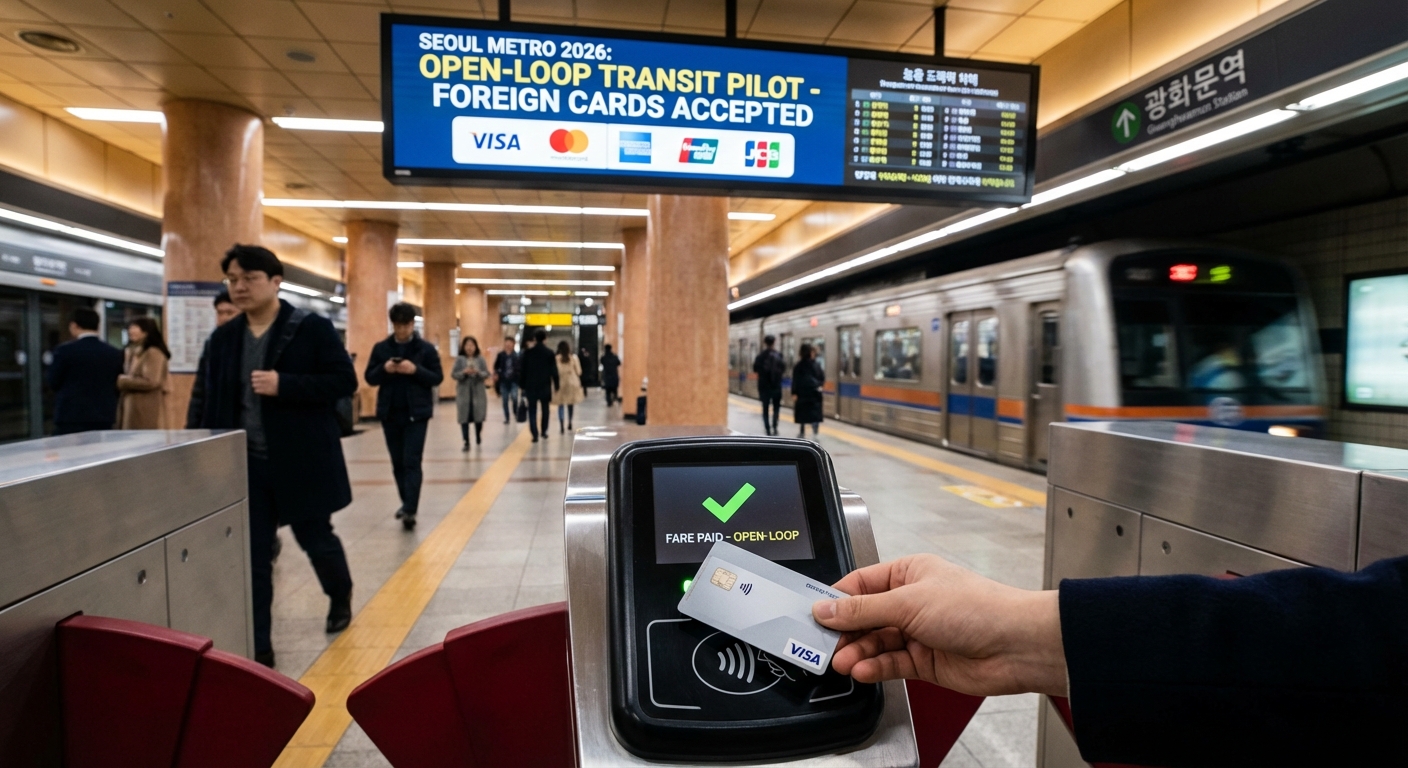
Conclusion: A More Accessible Seoul Awaits
The prospect of "open-loop transit Seoul" by 2026 marks a significant leap forward in making the city even more welcoming and accessible for international visitors. The shift towards "Seoul public transport foreign cards 2026" compatibility will simplify travel immensely, removing a long-standing barrier for tourists and making "tap to pay Seoul transit" a reality.
While the exact details of the rollout and comprehensive acceptance across all modes of transport are still evolving, the direction is clear. Seoul is committed to enhancing its world-class public transport system with global convenience in mind. So, start planning your 2026 trip with the exciting possibility of simply tapping your way through the vibrant heart of South Korea! Stay tuned for official announcements closer to the date.